I have watched hundreds of bridal fittings, and if there is one scenario that requires extreme psychological care, it is styling a bride who is navigating medical-induced body dysmorphia.
In a deeply emotional episode of Say Yes to the Dress, we met 24-year-old Bethany, a resilient young woman battling Aplastic Anemia. Between weekly blood transfusions and heavy medication, Bethany experienced significant weight gain, leading to a heartbreaking confession: “When I look at myself in the mirror, you don’t recognize yourself.”
A bridal salon should be an emotional safe space for a client undergoing such medical trauma. However, what played out during Bethany’s appointment was a stark reminder of how an entourage’s lack of a trauma-informed approach—specifically throwing around brutal critiques like “middle-aged woman”—can completely shatter a fragile bride’s conditional confidence.
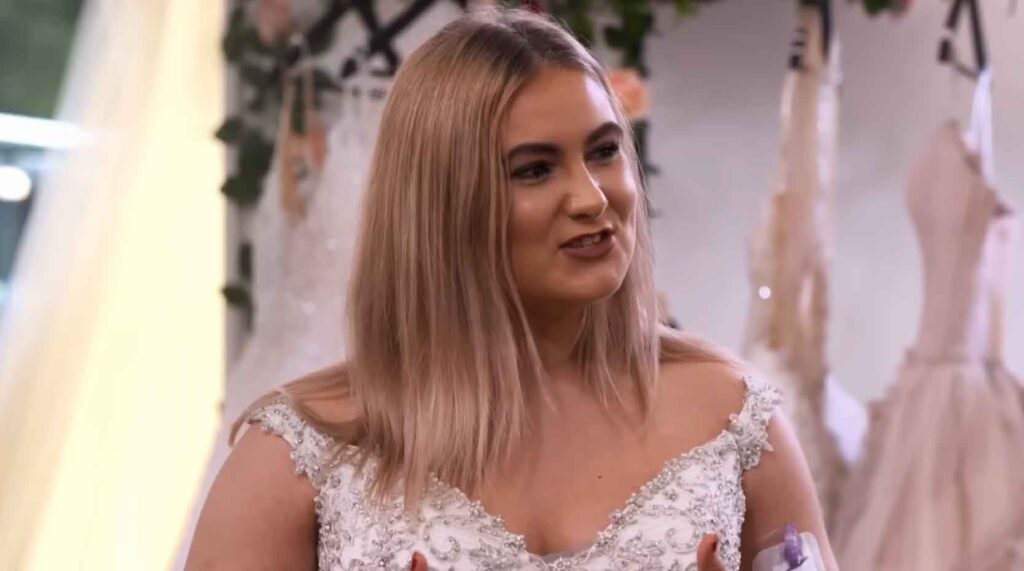
The Psychology of Medical-Induced Body Dysmorphia
To understand the gravity of this fitting, we must look at the psychological state of the bride. Bethany isn’t just insecure; she is grieving the body she had before her illness. When medication alters your appearance, every reflection in the mirror feels like a betrayal.
For Bethany, stepping into a wedding dress was a terrifying vulnerability. She stated, “I am willing to try on things that are definitely out of my comfort zone to find the right dress.” She was actively trying to reclaim her identity. In these delicate moments, a bride doesn’t just need a stylist; she needs profound empathy and validation from her inner circle.
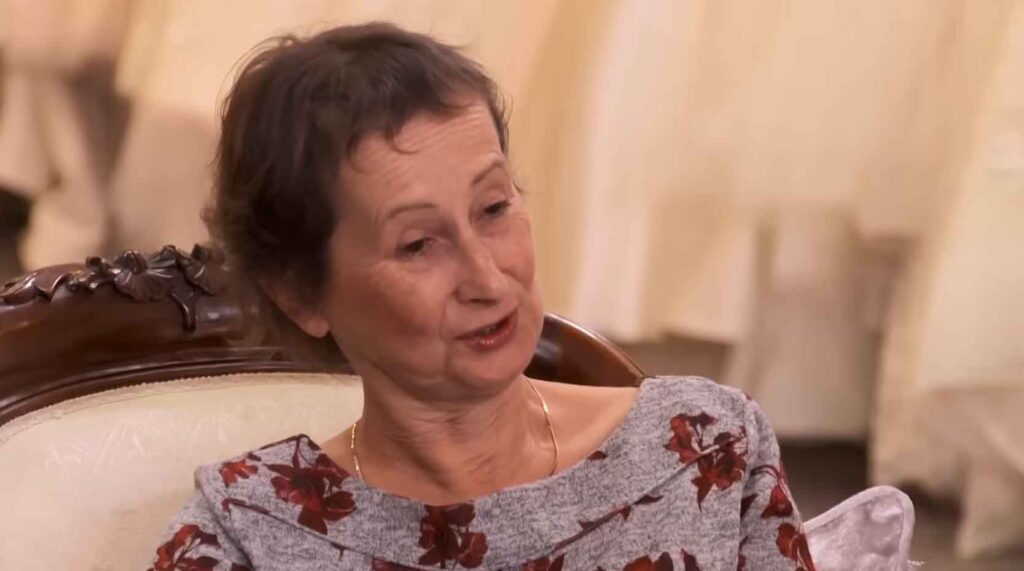
When “Tough Love” Becomes an Emotional Trigger
This brings us to the entourage: Bethany’s “feisty” mother, Elaine, and her friend, Ailis. While their intentions may have been pure—wanting the best for Bethany—their execution was a masterclass in what not to say to a vulnerable person.
When Bethany stepped out in a dress she felt comfortable in, Ailis bluntly stated, “I think it makes her look a bit like a middle-aged woman.”
This is a severe emotional trigger. When a bride has already confessed she feels alienated in her own larger body, using terms like “middle-aged” or “doesn’t do anything for her” reinforces her deepest fears: that her illness has made her unattractive. It is a form of unintentional emotional damage. True support means critiquing the garment (“the lace feels heavy”), not projecting flaws onto the bride’s current state.
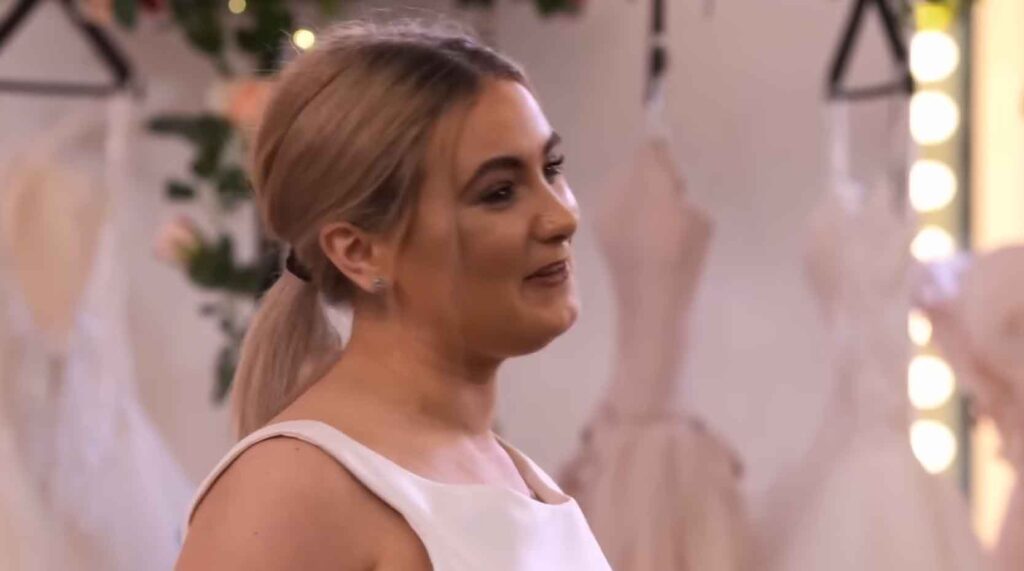
The Internet Reacts: What Fans Are Saying
We took to Reddit’s r/JUSTNOFAMILY and r/ChronicIllness to see how the community reacted to this polarizing fitting. The consensus? The internet was fiercely protective of Bethany.
@TraumaInformedStylist says: “As a bridal consultant, this episode gave me anxiety. Gok is a genius. He realized the entourage was actively triggering her dysmorphia, so he took control and custom-built a dress they couldn’t critique. Masterful de-escalation!”
@SpoonieBride_99 notes: “Hearing her friend say she looked ‘middle-aged’ made my blood boil. 🚩 When you have an invisible illness or medical weight gain, you just want your friends to hype you up. That comment was toxic.”
@BridalBestie22 writes: “I might be the odd one out, but I’m glad the friend spoke up. Yes, the delivery was harsh, but she stopped Beth from buying a dress that didn’t flatter her. The final custom dress was 100x better!”
What is your take on this deeply emotional fitting? Should an entourage filter their words for a sick bride, or is brutal honesty always the best policy? Drop your opinions in the comments below—we want to hear your stories!